A wild mouse roller coaster can generate strong family ride value, but downtime changes the financial result. When the ride is unavailable, the park loses the contribution those riders would have made, may need to redirect labor, and can disappoint guests who expected the attraction to be open.
Downtime should therefore be modeled as part of the investment case, not treated as an unlikely exception. A park considering a Theme park wild mouse roller coaster for sale should estimate both planned and unplanned closures when reviewing capacity, spare parts, maintenance support, and revenue.
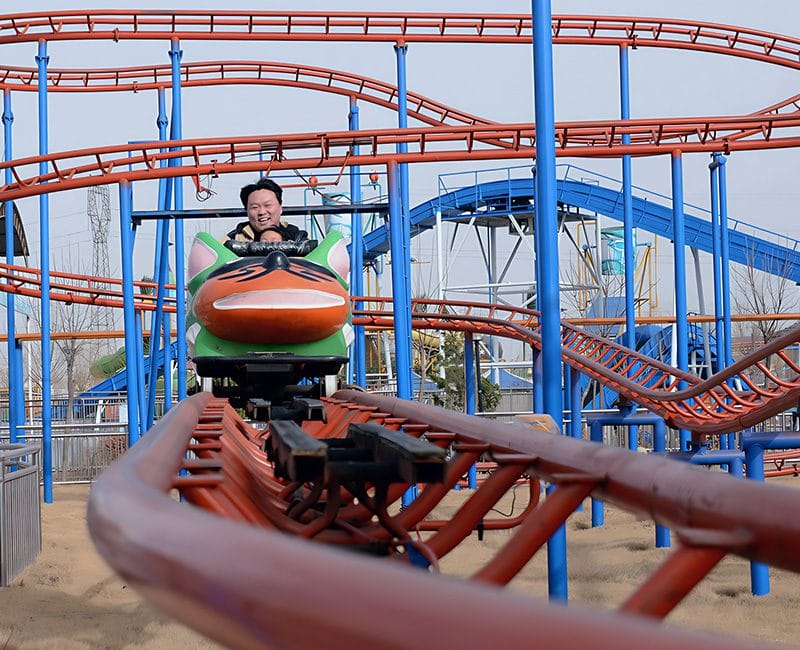
Separate Planned and Unplanned Downtime
Planned downtime includes scheduled inspection, maintenance, parts replacement, and seasonal preparation. It can be built into the operating calendar. Unplanned downtime comes from faults, damage, missing parts, controls issues, or delayed technical support. It is harder to forecast and often occurs during demand peaks.
Both types reduce available operating hours, but they require different responses. Planned work should be scheduled for quiet periods where possible. Unplanned risk should be managed through inspection, spares, training, and supplier response planning.
The Revenue Impact Formula
A simple estimate begins with the ride’s net contribution during the lost hours:
Lost contribution = unavailable hours × adjusted riders per hour × net contribution per rider.
Adjusted riders per hour should reflect normal utilization for that day part, not theoretical capacity. Net contribution subtracts variable costs from the revenue that can reasonably be assigned to the ride. If admission is bundled, use an allocation supported by the park’s business model.
Include secondary effects separately. Guests may choose another ride instead, spend elsewhere, or leave early. Avoid assuming all lost ride riders disappear, but also avoid assuming the park recovers every displaced visit.
Estimate the Lost Ride Contribution
The loss should be evaluated during the periods when the attraction is unavailable to guests. A closure before opening may require less guest recovery than a failure in the middle of the busiest session. Use realistic demand by day part, weather, and event schedule.
| Downtime event | Revenue consideration | Operating consideration |
|---|---|---|
| Short stoppage | Lost riders during that interval | Staff and queue management |
| Half-day closure | Reduced ride and allocated admission contribution | Alternative attraction capacity |
| Multi-day closure | Lost visits, refunds, or lost future demand | Parts, technicians, and communication |
Why the Track Layout and Components Matter
Review service access
Reliability begins with design. The wild mouse roller coaster track layout influences maintenance access, component count, stations, and inspection points. Review the track and support drawings with the operating team. A compact ride can still require careful access to brakes, drives, sensors, and bearings.
Components such as bushings or bearings may involve Bronze or other specified materials. The manufacturer’s drawings and approved maintenance plan determine which parts are inspected and how. Never substitute a material because it is locally available unless the engineering team approves it.
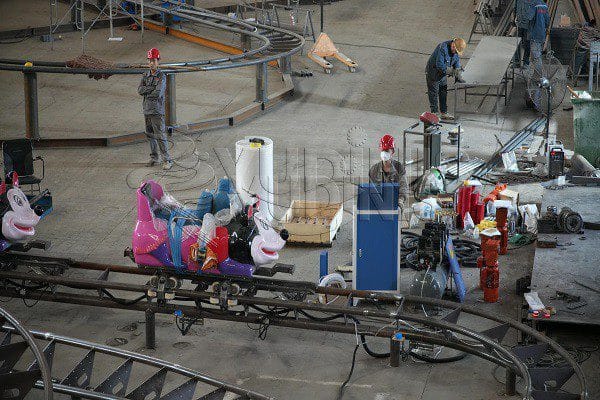
Include the Cost of Recovery
Lost contribution is not the only cost of downtime. The park may spend overtime, emergency freight, additional technician time, guest recovery, and administration. A failure can also affect future bookings when guests lose confidence in the park’s reliability.
Build a downtime budget with these categories. Compare the potential cost of an extended failure against the price of recommended spares, preventive maintenance, and local training.
- Keep critical spares identified with lead times.
- Train staff to diagnose and document faults.
- Schedule inspection during low-demand periods.
- Confirm supplier response channels before opening.
- Review recurring faults rather than only repairing symptoms.
Use a Conservative Revenue Scenario
The investment case should test weak demand as well as strong demand. If a coaster is expected to operate every day, model the effect of several lost operating days. Use wild mouse roller coaster for theme parks comparisons to understand differences in reliability and support, not only ride experience.
A smaller ride with readily available parts and clear service access may produce a better result than a more elaborate model that is difficult to repair. Ask the roller coaster investment support by Dinis team to explain recommended spares, service intervals, and maintenance responsibilities. Good engineering support can reduce avoidable downtime.
Plan Communication and Guest Recovery
The park should be able to mark the ride as unavailable, manage the queue, and direct guests to alternatives. Staff should know how to explain the closure without giving unreliable reopening times. Guest recovery should follow a pre-agreed policy rather than vary by supervisor.
When access is included in park admission, consider whether guests should receive a replacement ride option or another form of recovery. The right policy depends on local law, ticket terms, and the importance of the ride to the overall visit.
Turn Downtime Data into Better Decisions
Record the cause, duration, time of day, affected revenue, staff action, and replacement part for each closure. Group events into recurring patterns. A repeated sensor fault, restraint issue, or access problem should trigger a corrective plan rather than repeated temporary fixes.
Review the data with the supplier and maintenance team each season. Update the revenue model when actual availability differs from plan. This helps the owner decide whether to invest in additional spares, training, controls, or design changes.
Protect the Investment
Wild mouse revenue is strongest when the ride is available during the hours guests expect to use it. Model downtime explicitly, maintain critical parts, and compare suppliers on support as well as price. As a theme park attraction manufacturer, the project team can help review the concept. To explore the complete specifications and build a maintenance plan, begin with the ride configuration and operating calendar.
Leave a Reply