Adding water slides and a splash playground to an existing hotel is a different project from building a water park. The pool, the changing rooms and the site already exist, so the new work is an extension rather than a greenfield build. That usually reduces cost – but it also means the plant room, the power supply and the drainage are already sized for the old demand, and upgrading them is where budgets go wrong.
This article breaks down what it costs to add slides and a splash playground to a hotel, and where the hidden upgrade costs sit.
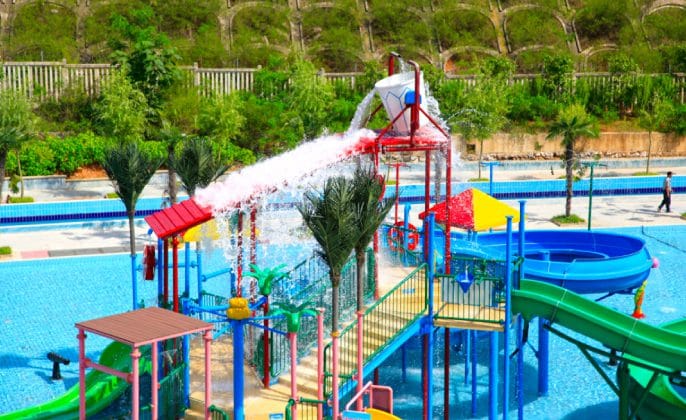
What the Add-On Includes
- One or more water slides with landing pool or run-out
- Splash playground structure with interactive elements
- Additional filtration and disinfection capacity
- Pump, pipework and balance tank upgrades
- Deck extension, shade and safety fencing
- Lifeguard stations and signage
A simple slide plus splash playground on an existing pool deck can be delivered for a modest budget; a multi-slide tower with a new landing pool is a much larger project. The scope decides the price far more than the supplier.
Typical Cost Ranges
| Scope | Indicative attraction cost (USD) |
|---|---|
| Splash playground only | 60,000 – 180,000 |
| One body slide plus splash playground | 120,000 – 300,000 |
| Two to three slides with landing pool | 250,000 – 600,000 |
These figures cover the attractions. Site works, plant upgrades and installation typically add 25 to 45 percent, and the share is higher when the existing plant room is at capacity.
The Plant Room Is the Hidden Cost
Every new water feature adds volume and turnover demand. If the existing filtration plant has spare capacity, the upgrade is modest. If it is already at design load, you may need additional pumps, a larger balance tank and new pipework – and that work often costs more than the slides themselves.
Ask a pool engineer to review the existing plant before the attraction order. The How much does it cost to build a water park should include that review, not just the ride price.
Site Integration
Slides need a landing pool or run-out, a safe exit, and a clear path back to the stairs. Splash playgrounds need a level, drained pad and a water supply that does not starve the main pool. Both need power for pumps and lighting, and both change the guest circulation around the deck.
Structural supports for slide towers and shade sails should be designed for local wind loads. Specifying Structural steel or galvanised components is worth the small premium in a humid pool environment.
Phasing the Add-On
If the budget is tight, open the splash playground first and add slides in a second phase. The playground delivers immediate family appeal at a lower cost, and it tests demand before the larger commitment. Keep the plant upgrade sized for the final configuration, though – retrofitting pipework is far more expensive than doing it once.
What Drives the Final Number
The water park cost estimate by area depends on the number of slides, the landing pool, the plant upgrade and the deck works. A single body slide with a splash pad is a modest extension; a slide tower with multiple rides and a new pool is effectively a small water park project.
For a full project comparison, the cost to develop a water park is a useful benchmark. It shows how cost per square metre falls as the water area grows, which helps explain why add-ons feel expensive per square metre.
What a Typical Add-On Timeline Looks Like
Concept and plant review take two to four weeks. Design and approvals add four to six weeks if the hotel needs planning consent. Slide production runs 45 to 75 days for standard models, and site works can run in parallel. Installation and commissioning take two to four weeks for a splash playground and four to eight weeks for slides with a landing pool.
End to end, a modest add-on takes four to six months; a multi-slide project takes seven to nine. Starting after the peak season and opening before the next one is the most common schedule.
Operations After the Upgrade
The new features change the lifeguard roster and the chemical consumption. Update the operating plan before opening: more water bodies mean more supervision points, and the splash playground may need a dedicated attendant during peak hours. Train the team on the new plant equipment as well as the rides.
Check permits before ordering. Some jurisdictions treat a new slide as an alteration to a public pool and require an updated licence, structural review and water treatment approval. Starting that process early is cheaper than discovering it after the slides are delivered.
Frequently Asked Questions
Can we add a slide without changing the plant room?
Only if the existing plant has genuine spare capacity. A pool engineer should confirm it before the order.
How long does an add-on take?
Four to eight months including production, site works and commissioning, depending on the slide type.
Is a splash playground worth it on its own?
Yes for family hotels. It delivers high appeal for young children at a lower cost than slides.
Next Step
Send us the existing pool layout and plant details, and we will scope the add-on with the plant upgrade included. Our water park contractor Dinis can supply slides and splash structures, and as an amusement park equipment factory we can advise on site integration. For the full cost picture, learn more.
Leave a Reply